
Utsira field visit
In January 2026, on the west coast of the island of Utsira, the white caps stretched uninterrupted to the western horizon, while the icy wind grasped at hats and scarves and nearly blasted us off the steps of the lighthouse. It’s no wonder that the nearby waters are home to development areas planned to support the world’s largest floating offshore wind farm.
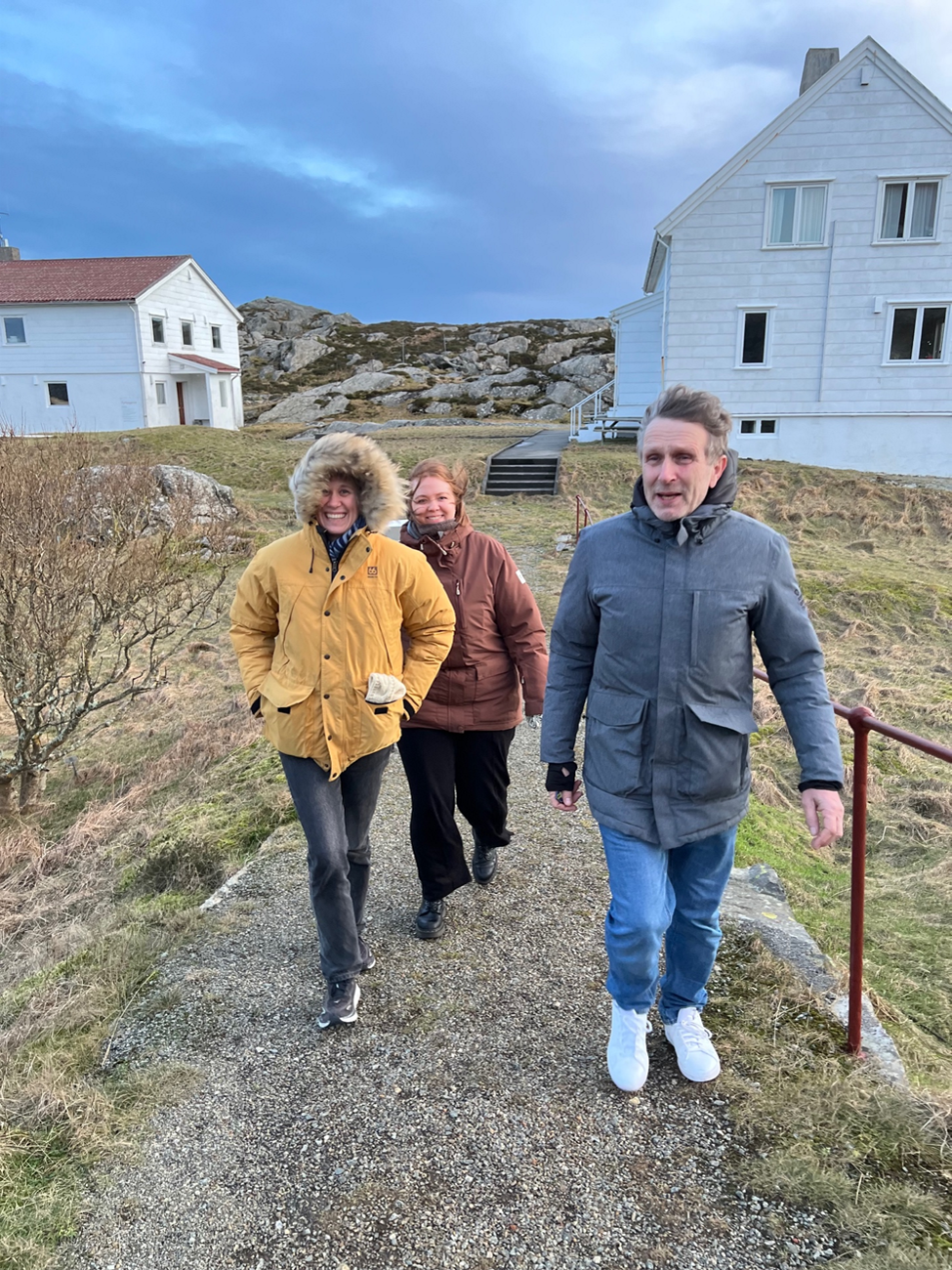
Image 1: Utsira shows off its significant wind resources (with Arnstein Eek, Assistant Director of Utsira municipality)
Photo by Kate Crosman, SINTEF Ocean.
Utsira Nord, a designated offshore wind development area of approximately 1000 km², lies to the west of Utsira in the North Sea, with the closest proposed turbines as little as 7km from the island’s coast. The water in the area is too deep for fixed wind installations, despite high and consistent winds. So approved projects will demonstrate floating wind technology on a large scale, with the two projects awarded as of February 2026 expected to deliver 500MW each, contributing to Norway’s ambitious offshore wind goals. Success at Utsira Nord will mean greater accessibility of deep waters for offshore wind power generation and support Norway’s transition to renewable energy production.
In January, a team from SEADOTs’ coordinating partner SINTEF Ocean visited Utsira to understand what offshore wind development will mean for the “Sirabuere”, as Utsira residents call themselves. The visit was part of ongoing work with the local community to investigate the social-ecological system of the island – that is, components and connections linking people, governance, natural resources and ecosystems – and to understand the costs and benefits of developing Utsira Nord.
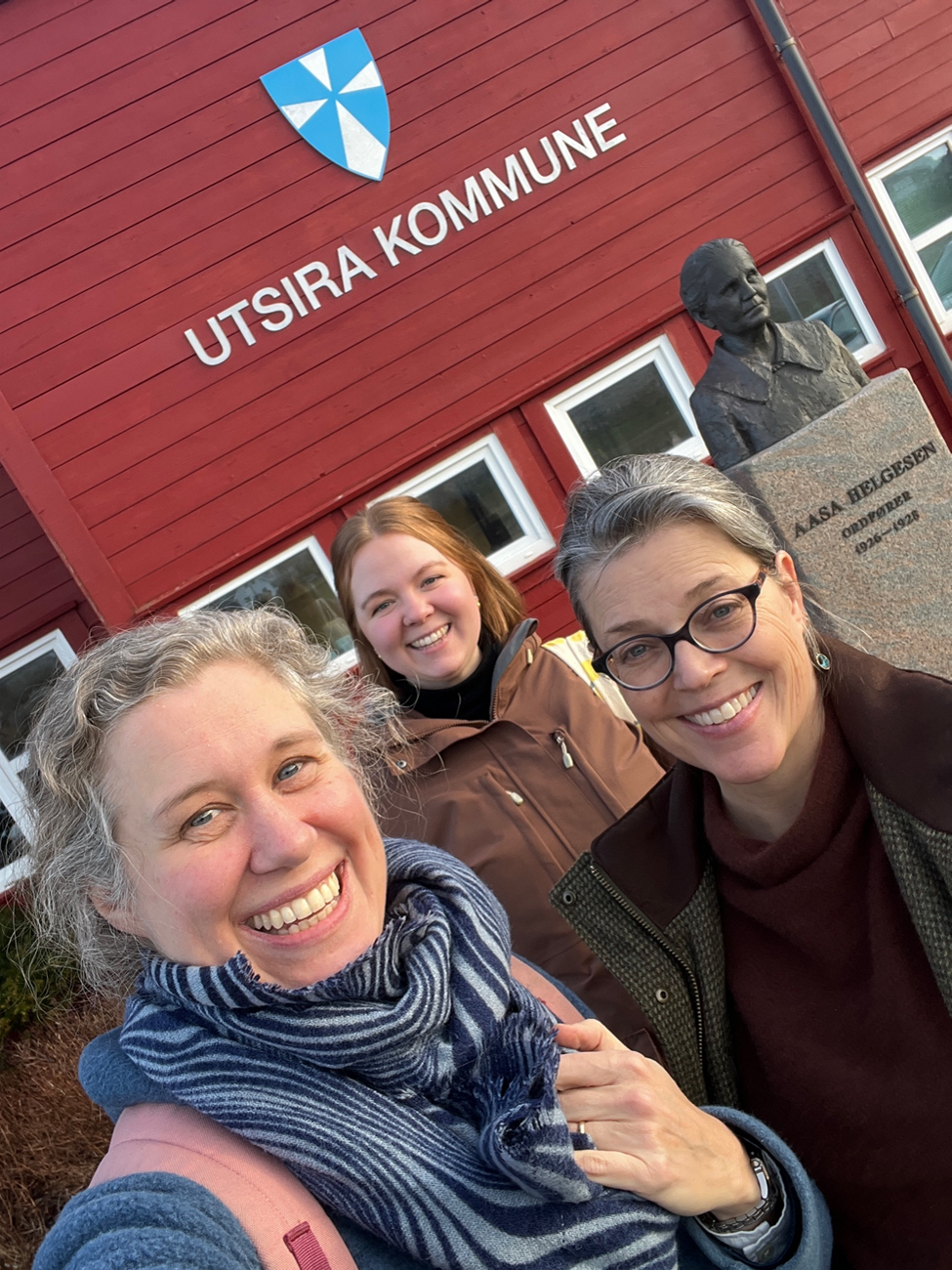
Image 2: The SINTEF Ocean team (left to right: Dorothy Dankel, Hanne Hjelle Hatlebrekke, and Kate Crosman) arrive in Utsira
Photo by Dorothy Dankel, SINTEF Ocean
The island is only 6km², and getting there requires a 70-minute ferry ride from Haugesund on the mainland. This rocky, windswept outpost attracts an ever-shifting array of bird life, changing with the season and the weather – the lucky can spot birds on Utsira that are rarely seen elsewhere in Norway or Northern Europe. The birds attract birders from around the world. The surrounding waters are home to Norway lobster and other species that support livelihoods and recreation. The island is also home to Utsira kommune, Norway’s smallest municipality, with slightly over 200 permanent residents. There is one grocery store (which also serves as the beating social heart of the community) and an abundance of public art.
There is no H&M on Utsira, and no candy store, to the disappointment of the island’s children. Might offshore wind development bring such luxuries? The adults are more concerned about community sustainability, hoping for benefits such as additional permanent jobs and housing, and local facilities that will help Utsira grow. It is certain that wind development will come with costs: at the very least, that unobstructed western horizon and its spectacular sunsets will be transformed. [Image 3] Effects on tourism, birdlife and fisheries are less known. The local leaders and representatives we met talked about the importance of renewables and their willingness to contribute to the “green shift”.
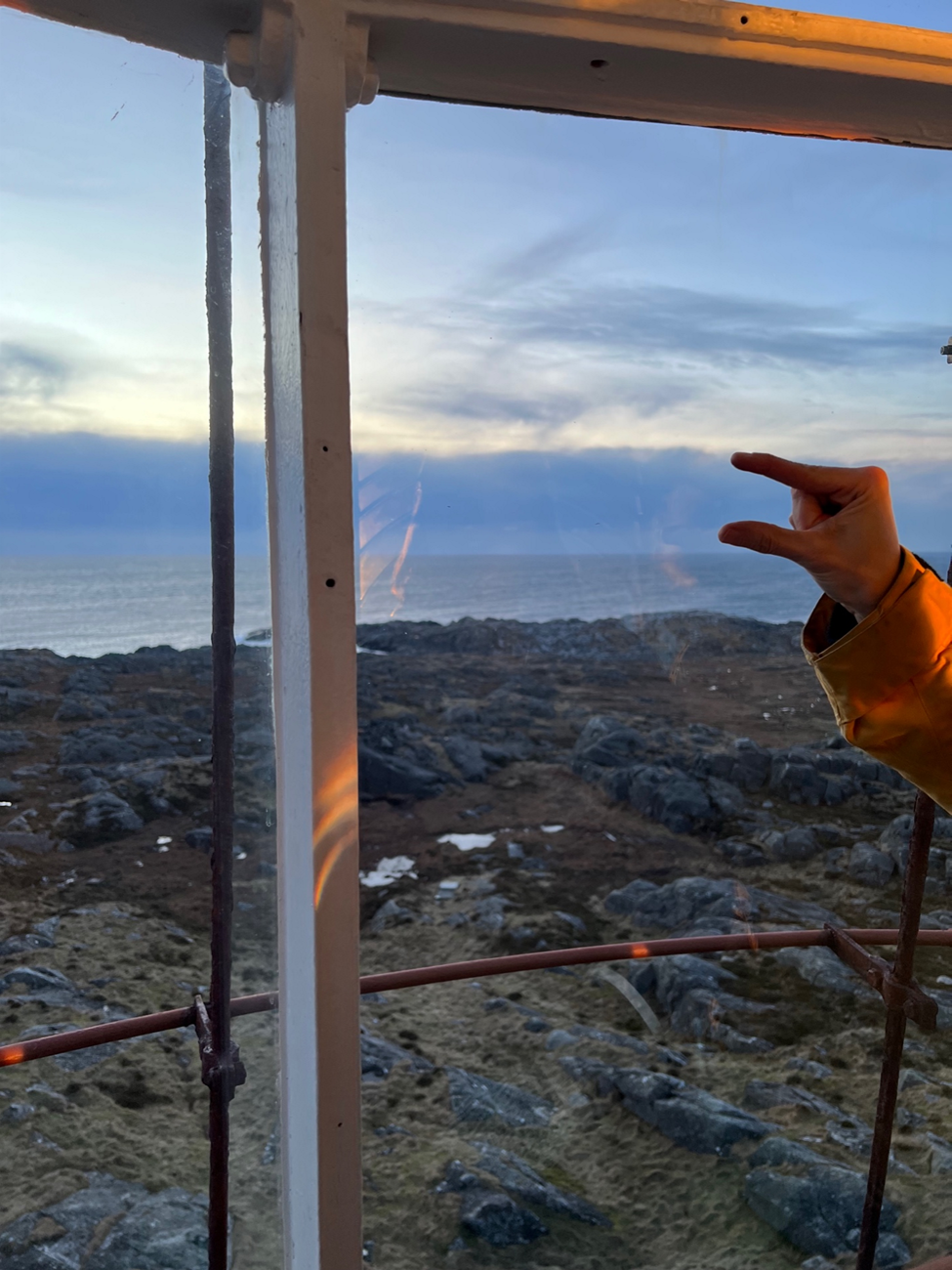
Image 3: The current view from Utsira lighthouse. The wind turbines will be about the indicated height from this viewpoint and will almost fill the horizon. Photo by Kate Crosman, SINTEF Ocean
They spoke about uncertainty, and fairness, and how to be sure that Utsira secures benefits from development as well as bearing the costs. We look forward to continuing to work with the community to track development pathways and how they impact social sustainability. We’re making no promises about the candy store, though.